Listening to a forest that drinks the clouds
On the Lamington plateau, forty microphones are recording what happens as the cloud base creeps higher.
By Ruth Adeyemi, Science editor · 8 October 2026 · 2 min read
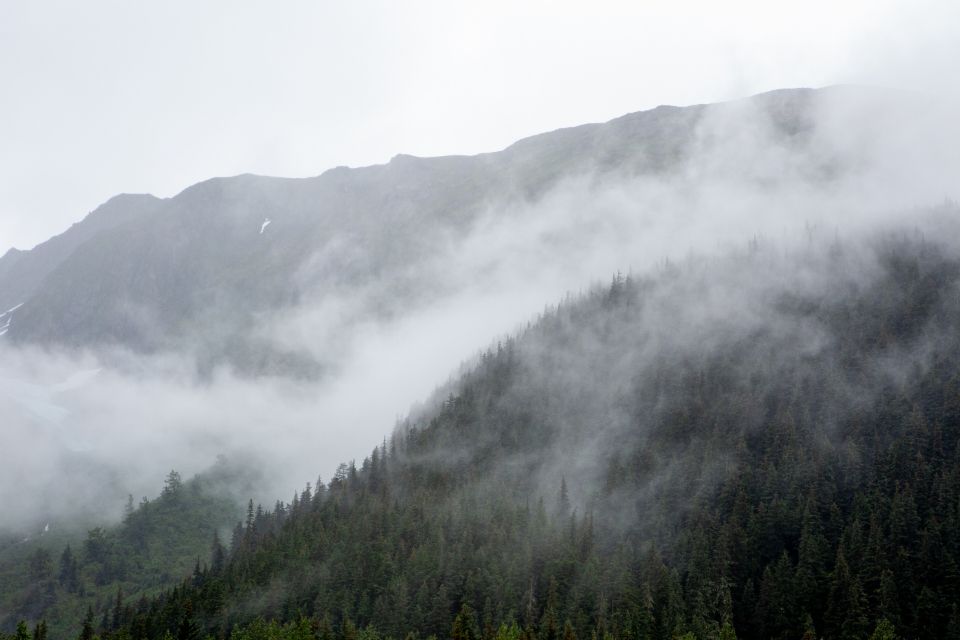
At 6 a.m. on the Lamington plateau, the forest is inside a cloud. The track is wet though it hasn't rained, every leaf dripping with water combed out of the passing fog. Ecologist Dr Hannah Lui calls this "horizontal rain", and it is the reason the forest exists at all.
A forest that drinks the air
The rainforests along the Queensland–New South Wales border sit high enough to spend much of their lives in cloud. Their leaves and mosses catch fog droplets that would otherwise drift past, and in the dry months that captured water can be a third or more of all the moisture the forest receives.
It shows in what grows here. Antarctic beech trees, some more than two thousand years old, stand on the ridges with their trunks shaggy with moss and ferns. They are relics of the cold, wet forests that covered Gondwana before Australia drifted north.
Listening for change
Lui's team doesn't just look at the forest; they listen to it. Since 2019 they have kept forty acoustic recorders running across the plateau, each capturing ten minutes of sound every hour. Software picks out the calls of frogs, birds and insects, building a picture of who is where, and when.
When the cloud lifts higher, the forest gets quieter. That's the signal we're watching for.
As the climate warms, the cloud base is predicted to rise. Some of the species that depend on it most — like the endangered Fleay's barred frog — are already turning up less often at the lowest recording sites.
Why it matters downstream
The fog the forest catches doesn't stay there. It feeds the creeks that run down into the Albert and Coomera rivers, and from there into the water supply of more than a million people on the Gold Coast. Protecting the cloud forest, Lui likes to say, is protecting the taps.
By eight o'clock the sun has burned through. The forest stops dripping, and the recorders, patient as ever, keep listening.
Letters
Fetching the letters…