The towns turning their lights off for the stars
Coonabarabran replaced 1,100 streetlights and found that darkness was good for business.
By Daniel Okoro, Contributing writer · 15 October 2026 · 2 min read
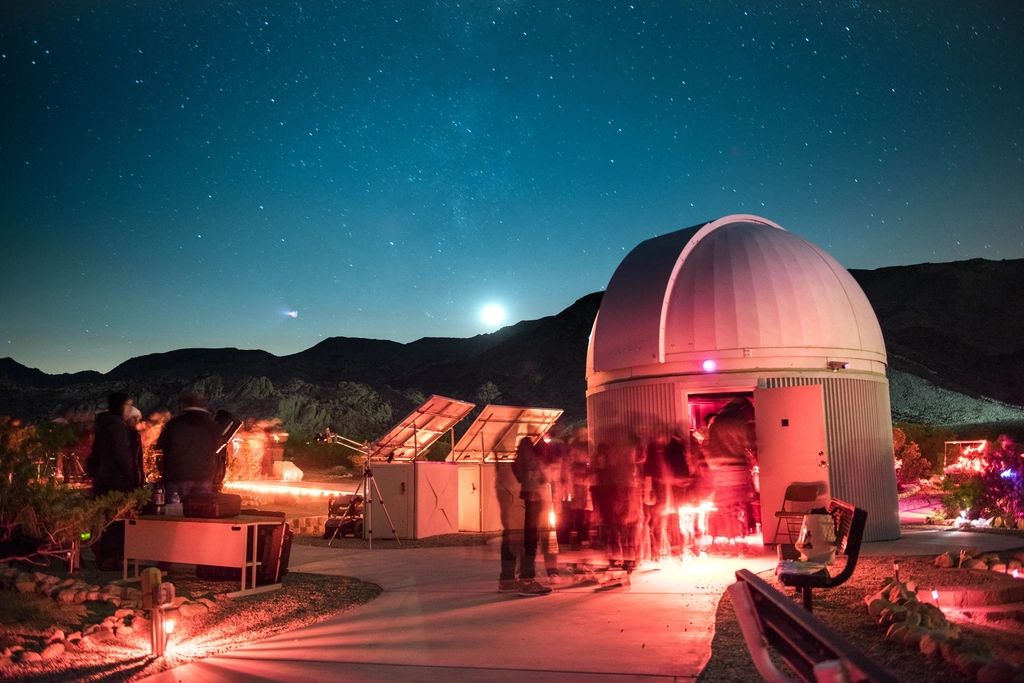
On the first moonless night of every month, the town of Coonabarabran turns most of its streetlights off. Not all of them — the main street and the hospital stay lit — but enough that, standing in the car park of the Siding Spring visitor centre at 10 p.m., you can see the Milky Way cast a faint shadow.
The sky we've lost
A child born in a capital city today may never see the Milky Way from home. Satellite measurements suggest the sky is brightening by around 10 per cent a year, and that most of the world's population now lives under skies too bright to show more than a few hundred stars. In a truly dark place, the naked eye can see about four thousand five hundred.
The cause is mostly lighting that points the wrong way. A typical old streetlight sends around a third of its light sideways or upward, where it lights nothing but the underside of the atmosphere. Modern fully shielded LEDs point everything down.
How a town goes dark
Coonabarabran was declared Australia's first Dark Sky Town in 2016, but it didn't happen overnight. The shire replaced 1,100 streetlights over six years with shielded, warm-coloured fittings, which also cut its lighting bill by almost half. New buildings must use downward-facing lights. Even the service station dims its canopy after midnight.
Nobody here thinks of it as sacrifice. The sky is the reason people visit.
Tourism has followed. Astronomy tours, a stargazing festival every October and a steady stream of photographers have turned darkness into one of the shire's biggest employers.
Bringing it home
You don't need to move to the bush to help. Turn outdoor lights off when you're not using them, point them down, and choose bulbs that are warm white rather than blue. If enough of a street does it, you'll notice — not the Milky Way, perhaps, but Orion's belt, and then the sword beneath it, and then the faint smudge in the middle that is a nursery for new stars, 1,300 light years away.
Letters
Fetching the letters…