The night shift at the last letterpress on Little Lonsdale Street
A tonne and a half of Leipzig iron, a case of 14-point Caslon and a printer who was told she'd go broke but be happy.
By Tom Kavanagh, Contributing writer · 5 November 2026 · 2 min read
The press at 41 Little Lonsdale Street weighs a tonne and a half and was built in Leipzig in 1912. Every Thursday night, Mirela Novak oils it, locks a forme of hand-set type into its bed, and prints until the sun comes up.
The last of its kind
There were once more than two hundred commercial letterpress shops in Melbourne. When offset lithography arrived in the 1960s they closed one after another, and the presses went for scrap or to the bottom of Port Phillip Bay as ballast. Mirela's survived because the printer who owned it, a Croatian immigrant named Josip Horvat, refused to sell. When he retired in 2009 he gave it to the apprentice who had swept his floor for six years.
"He said, you'll go broke, but you'll be happy," she says. "He was half right."
Slow by design
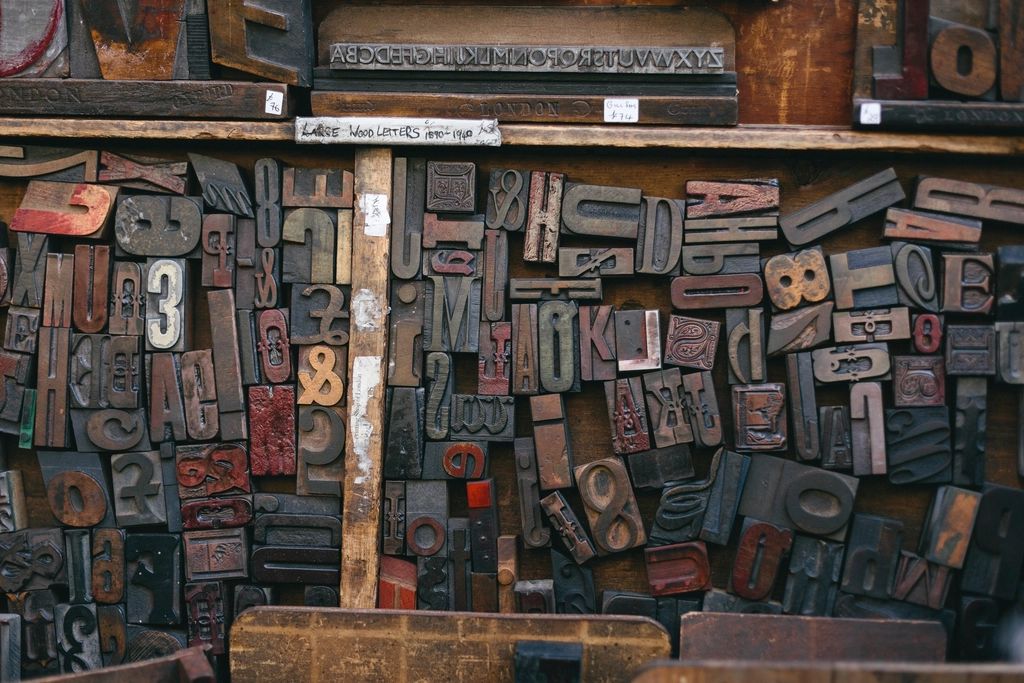
Letterpress is slow in a way that's hard to explain until you watch it. Each letter is a separate piece of metal, picked from a wooden case by hand and set into a composing stick, line by line, upside down and backwards. A wedding invitation might take three hours to set. A mistake means picking the line apart and starting again.
You can't print a typo by accident here. You have to build it, one letter at a time.
The reward is the bite: the press pushes the type into thick cotton paper hard enough to leave a dent you can feel with your thumb. Clients book her a year ahead for it. Most of her work now is wedding stationery, poetry broadsides and menus for restaurants who want something nobody can screenshot.
Who comes next
The real question is succession. Type foundries stopped casting new metal decades ago, and every worn letter is a letter she can't replace. Last year she started teaching Saturday classes, and three of her students now come in on Thursdays too.
At 4 a.m., one of them, a software engineer called Priya, is setting a poem by Judith Wright in 14-point Caslon. She's on her third attempt at the second line. Nobody is in any hurry.
Letters
Fetching the letters…