The studio
A bakery's back shed, a kiln, and twelve years
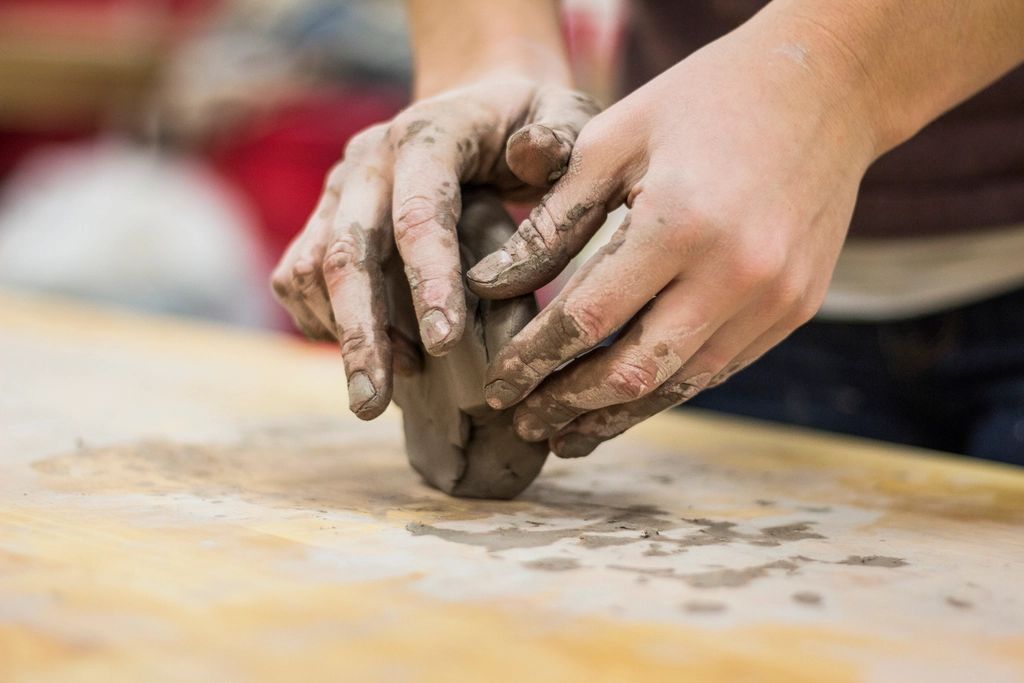
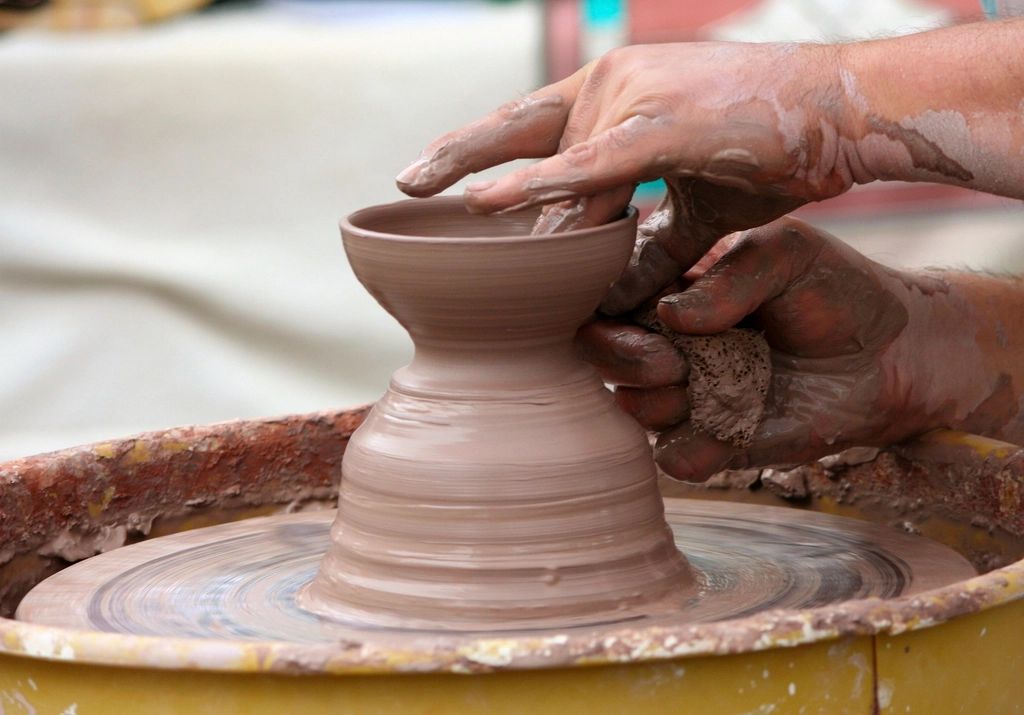
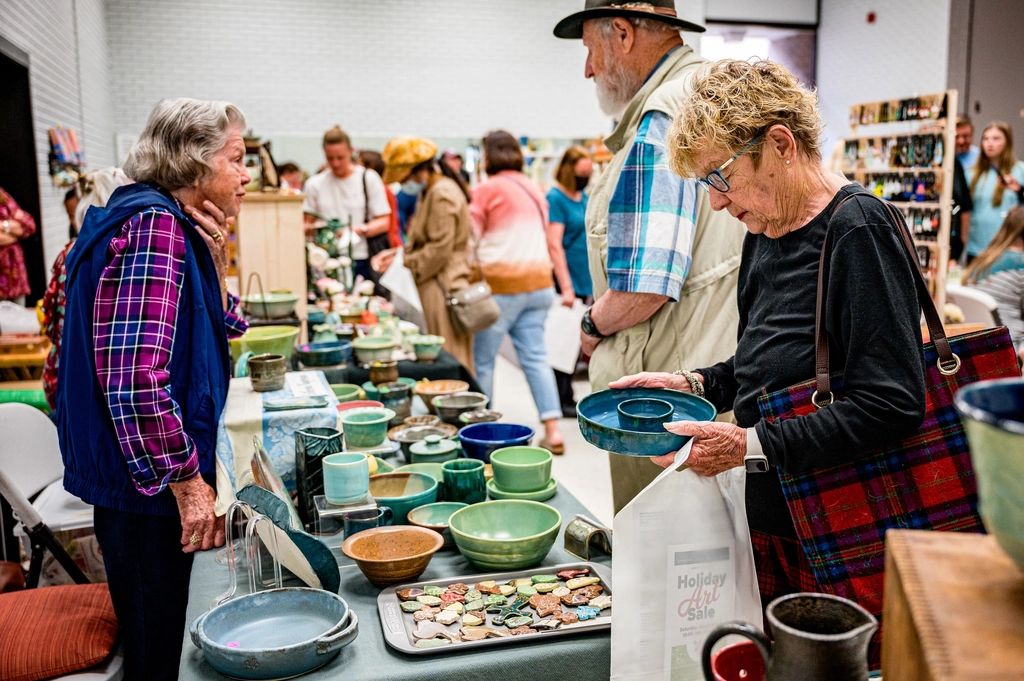
Hana Whitlock and Ollie Brandt met in the ceramics room at Bendigo TAFE in 2011: she was the one who could centre twelve kilos of clay, he was the one who kept the kiln log. Three years later they rented the shed behind the Templeton Street bakery in Castlemaine, built a kiln from salvaged firebrick, and sold their first firing from a trestle table at the Saturday market.
They still work there. The kiln has been rebuilt twice, the bakery has changed hands, and the dog, Glaze, has opinions about visitors. They make about four hundred pieces a season, which is why things sell out and why we'd rather you waited for the next firing than bought something you only half love.
How a bowl is made
Six steps and about three weeks, most of it waiting.
01
Wedge
Knead the clay like bread to push out the air and line up the particles. Ten minutes a block.
02
Throw
Centre it on the wheel, open it and draw up the walls. A rice bowl takes about four minutes.
03
Trim
A day later, leather-hard, turn it over and carve the foot ring with a loop tool.
04
Bisque
Dry for a week, then fire to 1000 °C. The clay becomes ceramic but still drinks water.
05
Glaze
Dip, pour or brush. Glazes are mostly ground rock and look nothing like their fired colour.
06
Fire
Twenty-two hours to 1280 °C, then two days to cool. Saturday morning, we open the door.
Caring for stoneware
- Everyday
- Dishwasher, microwave and oven safe up to 220 °C. Stoneware is fired hotter than your oven will ever go.
- Sudden changes
- Don't take a bowl from the fridge to a hot oven, or put a hot dish on a cold stone bench. Let it come to room temperature first.
- Unglazed feet
- The rough ring underneath is bare clay. It won't scratch a timber table, but a felt pad is kind to French polish.
- Crazing
- A fine web of lines in a celadon or jun glaze is part of its character, not a crack. It's sealed under the glass.
Visit us
The studio is open on Saturdays from 10 till 4, and on kiln-opening mornings from 8, when the coffee is on us.
14 Templeton Street
Castlemaine VIC 3450
(03) 5470 2186